Key Factors Behind Loss Leaky Feeder Cable in the USA
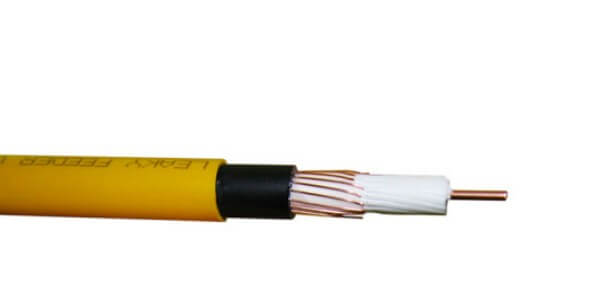
Maintaining a clear signal in a mile-deep shaft isn’t just about convenience; it’s about survival and keeping the tonnage moving. When you experience loss leaky feeder cable performance, you aren’t just dealing with static—you’re looking at a systemic failure that threatens safety and halts production. This guide breaks down exactly why your underground communication is dropping and how to harden your infrastructure against the harshest environments in the USA.
Key Takeaways
- Environmental Degradation: Moisture and vibration are the silent killers of underground signal integrity.
- Installation Precision: Improper bending and poor terminations account for over 40% of early-stage failures.
- Active Component Health: Faulty amplifiers and power supplies create “dead zones” that trap workers in silence.
- Maintenance ROI: Shifting from reactive repairs to scheduled inspections slashes long-term operational costs.
- Strategic Design: Becker Wholesale Mine Supply provides the engineering grit needed to solve complex coverage gaps.
What is a Leaky Feeder Cable System?
A leaky feeder system acts as a continuous, distributed antenna by using a specially designed coaxial cable with gaps in its shielding. This “leakage” allows two-way radio frequencies to permeate through rock and steel where traditional wireless signals would simply bounce and die. In the high-stakes world of American mining, this system is the backbone for:
- Real-Time Dispatch: Managing the flow of heavy machinery and personnel without lag.
- Emergency Infrastructure: Providing a lifeline during vent failures or structural shifts.
- Telemetry Data: Monitoring equipment health to prevent catastrophic mechanical breakdowns.
Why is Cable Aging and Physical Damage a Major Factor?
Physical degradation occurs when the harsh underground atmosphere penetrates the cable jacket, causing the copper to oxidize and the signal to bleed out. Constant vibration from high-torque mining equipment and the relentless humidity of deep-vein mines eventually turn high-grade cabling into useless wire.
- Reduced Range: Signals struggle to travel through compromised shielding, leaving teams in the dark.
- Intermittent Drops: Physical kinks from ground movement create “ghost” signals that cut out without warning.
- Jacket Breach: Acidic mine water seeps into the dielectric, changing the cable’s impedance permanently.
GET IN TOUCH
In a hurry? Call us at +1-724-515-4993
How do Improper Installation Practices Cause Signal Loss?
Poor installation creates impedance mismatches that reflect signal energy back toward the source rather than letting it “leak” evenly along the tunnel. If a crew pulls a cable too tight or ignores the minimum bend radius, the internal geometry of the cable is crushed. Becker Wholesale Mine Supply sees dozens of sites where loss leaky feeder cable issues were “baked in” from the first day of a sloppy deployment.
Installation Failure Points
- Kinked Radii: Crushing the internal foam dielectric by pulling cable around 90-degree rock corners.
- Hanging Sag: Allowing cables to droop between supports, leading to tension-related core separation.
- Termination Errors: Failing to seal connectors properly, which invites corrosion into the most sensitive joints.
Do Harsh Underground Environments Ruin Your Signal?
Extreme temperature fluctuations and corrosive gases chemically attack the materials that make your communication possible. In many U.S. coal and metal mines, the “sweat” of the tunnel walls acts as a conductor, siphoning off RF energy before it can reach the worker’s handheld.
Environmental Stressors
- Water Ingress: Liquid acts as a massive attenuator, soaking into the insulation and killing the frequency.
- Corrosive Air: Sulfur and other mining byproducts eat through shielding layers in months, not years.
- Ground Shifting: Vertical and horizontal mine movement can stretch or snap lines that aren’t installed with enough “slack” or protection.
Why are Connector and Joint Failures So Common?
Connectors are the primary point of failure because they are the only part of the system where the internal conductor is exposed to the elements. Vibration from nearby blasting or heavy hauling loosens these threaded joints over time. Once a connector is loose, you lose the “ground” of the system, turning a minor issue into a total blackout.
System Performance Breakdown: Traditional vs. Modern
| Factor | Traditional Lead-Sheath | Modern Leaky Feeder (Becker) |
| Durability | High weight, difficult to hang | Optimized weight, high tensile strength |
| Signal Stability | High attenuation over distance | Low-loss dielectric for long runs |
| Moisture Resistance | Prone to cracking | Triple-shielded, moisture-blocked |
| Installation Speed | Slow, specialized tools | Standard tools, modular connectors |
How Does System Design Influence Signal Leakage?
Improper system design results in “dead zones” where the signal is either too weak to pick up or so overpowered it causes interference. A leaky feeder system isn’t a “set it and forget it” tool; it requires precise calculation of amplifier spacing and cable routing. Without an engineered plan, your loss leaky feeder cable problems will follow the path of least resistance—usually away from your workers.
Critical Entities in System Design:
- Head-End Equipment: The “brain” that translates radio signals into the cable network.
- Line Amplifiers: Signal boosters that counteract natural attenuation over long distances.
- Splsplitters/Couplers: Hardware used to branch communication into side-drifts or cross-cuts.
- End-of-Line Terminations: Resistors that prevent signal reflection and “ghosting.”
GET IN TOUCH
In a hurry? Call us at +1-724-515-4993
Can Amplifier and Power Supply Issues Be Fixed?
Amplifiers are the lungs of your communication system, and when they lose power or drift out of calibration, the whole network suffocates. If your power supply is fluctuating due to heavy machinery draws on the mine’s electrical grid, your amplifiers will clip the signal or fail entirely.
Expert Perspective: The “Gain” Trap
Pro Tip: Many operators try to fix weak signals by cranking the gain on a single amplifier. This is a mistake. Over-amplifying creates “noise floors” that drown out actual voices. It is always better to have three perfectly balanced amplifiers than one “hot” unit trying to do all the heavy lifting.
Is Electromagnetic Interference (EMI) Killing Your Radio?
Heavy electric motors and high-voltage lines generate “noise” that can jump into your leaky feeder cable if the grounding isn’t perfect. This EMI adds a layer of static to every transmission. To combat this, communication lines must be physically separated from power trays—a rule often ignored during the rush of production.
Why is Preventive Maintenance the Best Defense?
Waiting for a communication failure to occur is a recipe for expensive, unplanned downtime. A proactive tech with a signal meter can find a failing connector in ten minutes; a repair crew searching for a break after a collapse might take ten hours.
The Master Craftsman’s Checklist
- Signal Mapping: Walk the line quarterly with a meter to find 3dB drops before they become 10dB failures.
- Connector Torque: Hand-check every joint for vibration-loosening and re-apply weatherproofing tape.
- Voltage Testing: Ensure power supplies are delivering consistent DC current to every amplifier in the string.
- Visual Sweep: Look for physical nicks or crushed sections where machinery might have swiped the cable.
Ready to Harden Your Underground Network?
In the mining industry, “good enough” communication is a liability. Addressing the root causes of loss leaky feeder cable isn’t just a technical chore—it’s a commitment to the men and women working the face. By combining ruggedized hardware with precision engineering, you can eliminate dead zones and ensure that when a call is made, it’s heard.
Becker Wholesale Mine Supply has spent decades in the trenches, providing the “boots on the ground” expertise required to keep USA mines connected. Whether you need a full system audit or a pallet of high-tensile cable, we deliver the gear that survives the deep.
Stop fighting static. Call now to secure your mine’s communication future.
Frequently Asked Questions
Q: What is the main cause of signal loss in leaky feeder systems?
A: The primary cause is typically a combination of moisture ingress at connector points and physical cable damage from heavy equipment. These issues create impedance mismatches that prevent the signal from traveling effectively through the network.
Q: How far can a leaky feeder signal travel without an amplifier?
A: Depending on the cable grade, signals usually require amplification every 350 to 500 meters. Beyond this distance, the natural attenuation of the cable makes the signal too weak for standard handheld radios to pick up reliably.
Q: Does humidity affect leaky feeder performance?
A: Yes. High humidity can cause dielectric constant shifts if the cable jacket is breached. This changes how the cable carries RF energy, leading to significant signal degradation and increased “noise” in the system.
Q: Can I run leaky feeder cable next to high-voltage power lines?
A: It is not recommended. Running communication lines parallel to high-voltage power can lead to Electromagnetic Interference (EMI). If you must run them in the same entry, ensure there is at least 12-24 inches of separation and the cable is properly grounded.
Q: How do I know if my amplifier is failing?
A: A failing amplifier usually presents as a sudden signal drop in one specific section of the mine while the rest of the system stays clear. You can verify this by checking the DC voltage draw and signal output at the specific unit.
Products That We Offer
- VHF Leaky Feeder System
- UHF Leaky Feeder System
- SMARTSENSE®FIXED MONITOR
- RNG-500VHF Leaky Feeder Cable
- UHF Low Loss Leaky Feeder Cable
- Kenwood NX-203/303 Radios
Take control of your mining communication systems today! With Becker Wholesale Mine Supply, the leading manufacturer in the USA. Contact us now and revolutionize your mining communication systems!