Leaky Feeder Radio Communication in US Mining Industry
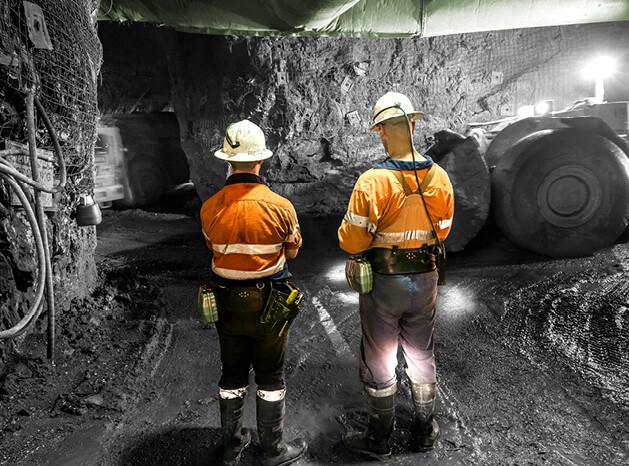
In the tight, dark confines of an Appalachian coal seam or a deep-rock Nevada gold mine, communication isn’t a luxury—it’s your primary safety gear. Standard radio waves hit a rock face and die, but leaky feeder radio communication turns miles of tunnel into a live broadcast zone. At Becker Wholesale Mine Supply, we don’t just sell cable; we provide the backbone for real-time voice and data that keeps your crew upright and your tonnage moving. When the skip stops or a face collapses, “blackout zones” are not an option.
Key Takeaways
- Continuous Signal: Prevents the “dead zones” common in traditional line-of-sight radio systems.
- Rapid Deployment: Modular amplifiers and cable allow for system expansion as the face advances.
- Safety Redundancy: Provides the critical link for emergency alerts and personnel tracking.
- Rugged Engineering: Built to survive the corrosive, high-vibration environment of a working mine.
What is Leaky Feeder Radio Communication in Mining?
Leaky feeder radio communication is a network of “radiating” coaxial cables that function as a continuous antenna throughout underground headings. Unlike standard shielded cable, this specialized line allows radio frequency (RF) signals to “leak” out and in along its entire length. This creates a dedicated communication corridor that follows every twist and turn of your mine’s layout, ensuring miners never lose contact with the surface or each other.
GET IN TOUCH
In a hurry? Call us at +1-724-515-4993
Why Is Underground Connectivity a Massive Challenge?
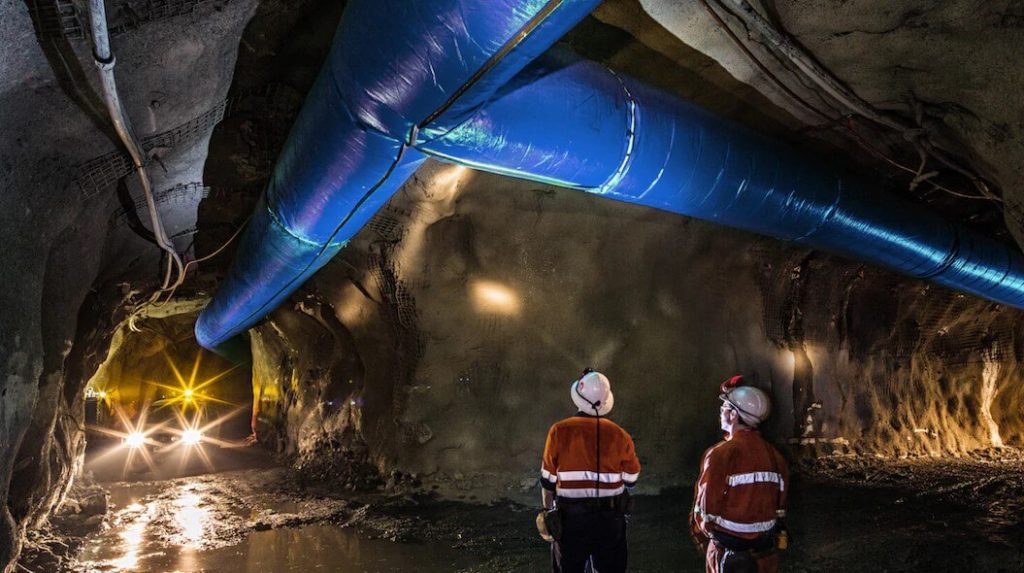
Thick rock formations and multi-level layouts act as a lead vault for standard wireless signals. Without a dedicated backbone, your handhelds are nothing more than expensive paperweights once you’re around the first pillar.
Operational Hazards
- Signal Attenuation: Radio waves bounce and dissipate against jagged rib walls.
- Electromagnetic Interference: Heavy-duty shearers and haul trucks create “noise” that drowns out weak signals.
- Tunnel Geometry: Winding declines and cross-cuts block line-of-sight transmission completely.
Production Risks
- Mismatched Cycles: If the face crew can’t talk to the dispatchers, your haulage cycle falls apart.
- Maintenance Lag: Mechanics waste hours traveling back to a “hot spot” just to report a broken hydraulic line.
Comparison: Traditional Radio vs. Leaky Feeder Systems
| Feature | Traditional UHF/VHF | Leaky Feeder Systems |
| Coverage | Line-of-Sight (Very Limited) | Continuous along the cable path |
| Reliability | Poor in winding tunnels | High; follows the tunnel geometry |
| Expansion | Requires new base stations | Simple “plug-and-play” cable extensions |
| Data Support | Voice only (usually) | Supports Voice, Data, and IoT Tracking |
GET IN TOUCH
In a hurry? Call us at +1-724-515-4993
How Does a Leaky Feeder System Function Subsurface?
The system works by injecting a radio signal into a specialized “leaky” cable that acts as a 5-mile-long antenna. Leaky feeder radio communication relies on a series of bi-directional amplifiers—we call them “jumpers”—to boost the signal every few hundred meters, overcoming the natural loss that occurs as the signal leaks out to reach the miners’ handsets.
The Strategic Framework: 4 Steps to Signal Strength
- The Head-End Integration: The surface base station converts digital or analog signals into RF waves and pushes them down the main trunk line.
- Controlled Leakage: The cable’s outer shield has precision gaps that allow a controlled amount of signal to exit (for reception) and enter (for transmission).
- Amplification Stages: Bi-directional amplifiers (BDAs) are installed at calculated intervals to compensate for cable attenuation and “boost” the signal for the next leg.
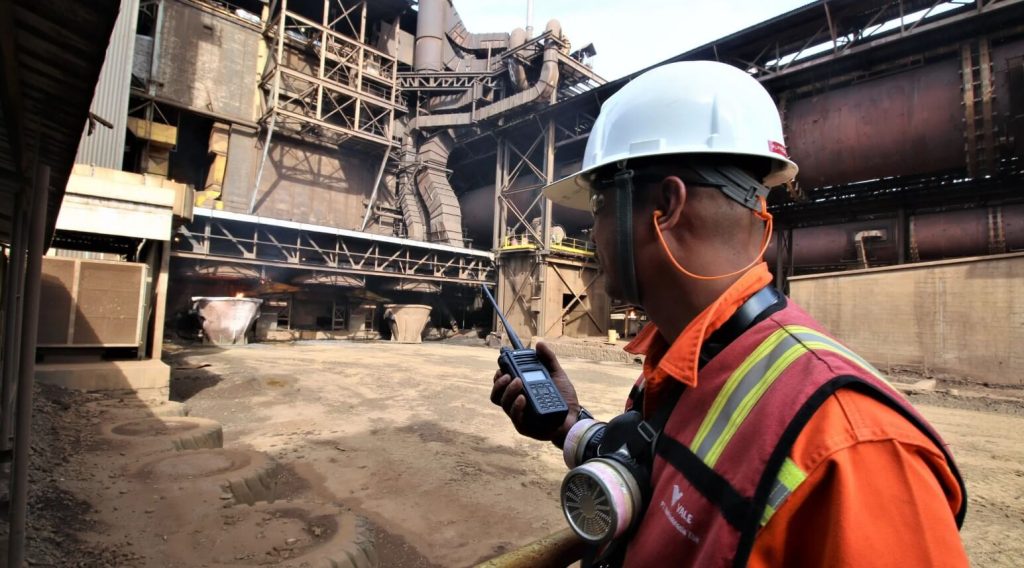
- End-Point Connectivity: Handheld radios, underground tablets, and vehicle-mounted units “grab” the signal as long as they are within 100-300 feet of the cable.
Why Choose Becker Wholesale Mine Supply for Your System?
We aren’t just order-takers; we’re guys who understand what a roof fall does to a comms line. Becker Wholesale Mine Supply delivers “mine-hardened” hardware that meets MSHA requirements and survives the daily abuse of a high-production environment.
Technical Execution
- Custom Engineering: We don’t do “cookie-cutter.” We map your specific drifts and slopes to ensure zero dead spots.
- Mine-Ready Hardware: From high-tensile messengers to heavy-duty amplifiers, our gear is built for the “Pasco County-style” humidity and grit found in deep shafts.
- Field Support: We provide the technical “know-how” to balance your signal levels, ensuring your amplifiers aren’t “screaming” or “whispering.”
Common Technical Terms in Mining Comms
- Coaxial Shielding: The outer layer of the cable; in leaky systems, it’s deliberately perforated.
- Bi-Directional Amplifier (BDA): A device that boosts signal in both directions (Up-link to surface, Down-link to miner).
- Head-End Unit: The “brain” of the system located at the surface or a main substation.
- Termination Load: A component at the end of the cable line to prevent signal reflection and ghosting.
Expert Perspective: The “Line-of-Sight” Myth
Pro Tip: Many contractors will tell you that a 500-foot gap in cable is fine because the signal “travels.” Don’t buy it. In high-sulfide or high-moisture mines, that signal will drop faster than a ton of lead. Always maintain a continuous “leaky” path within 50 feet of active work zones to ensure emergency triggers actually reach the head-end.
GET IN TOUCH
In a hurry? Call us at +1-724-515-4993
Ready to Secure Your Mine’s Communication?
When you’re a thousand feet down, the most expensive equipment you own is the system that doesn’t work. Leaky feeder radio communication is the only way to guarantee that your “Stop” command is heard the second it’s spoken. Becker Wholesale Mine Supply provides the engineering, the cable, and the grit to get your comms online and keep them there. Call Becker Wholesale Mine Supply to request a system audit or a custom quote for your next expansion.
Frequently Asked Questions
Q: What is the maximum range of a leaky feeder cable?
A: While the cable can stretch for miles using amplifiers, the lateral range (how far you can walk away from the cable) is typically 100 to 300 feet depending on tunnel obstructions.
Q: Can leaky feeder systems handle digital data?
A: Yes. Modern systems support both analog voice and digital data, allowing you to run IoT sensors, gas monitors, and personnel tracking over the same cable backbone.
Q: Is the cable easy to repair if hit by machinery?
A: It is designed for the trade. You can splice and repair damaged sections with basic tools and connectors, though signal balancing may be required afterward.
Q: Does MSHA require underground communication?
A: Yes. Under the Mine Improvement and New Emergency Response (MINER) Act, underground mines must have redundant, wireless two-way comms between the surface and underground personnel.
Q: How often do the amplifiers need maintenance?
A: Amplifiers should be inspected quarterly. We check for voltage drops, physical damage from rib shifts, and “gain” settings to ensure the signal remains crisp across the entire network.
Products That We Offer
- VHF Leaky Feeder System
- UHF Leaky Feeder System
- SMARTSENSE®FIXED MONITOR
- RNG-500VHF Leaky Feeder Cable
- UHF Low Loss Leaky Feeder Cable
- Kenwood NX-203/303 Radios
Take control of your mining communication systems today! With Becker Wholesale Mine Supply, the leading manufacturer in the USA. Contact us now and revolutionize your mining communication systems!