Fixed Gas Leak Detector Systems for Large Mining Sites

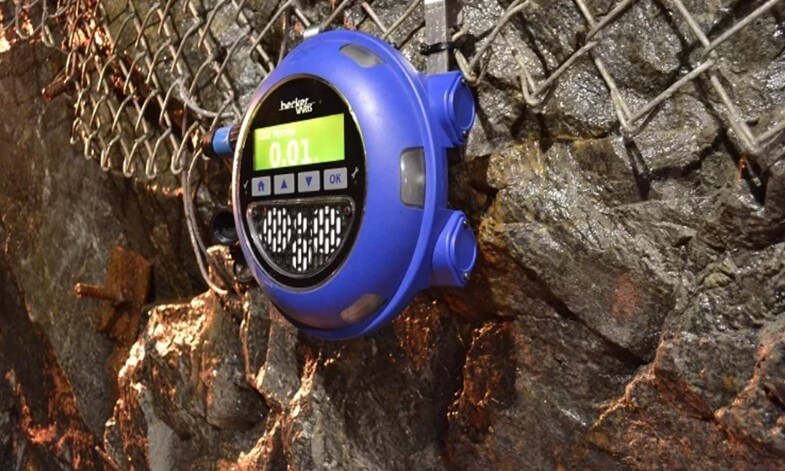
Operating a massive mining operation means facing down invisible, fast-moving hazards every single shift. Unstable ventilation zones, deep pocket blasting, and confined underground faces can turn lethal before a crew even realizes a sensor tripped. That is why installing a reliable fixed gas leak detector network is not just a regulatory box to check—it is the operational backbone that keeps your guys breathing and your equipment running without catastrophic, multi-million dollar stoppages. When you are managing a large-scale site, manual spot-checks simply cannot keep pace with changing atmospheric conditions. Continuous, automated tracking is the only way to stay ahead of volatile spikes in combustible and toxic fumes. Industry suppliers like Becker Wholesale Mine Supply design these heavy-duty setups specifically to survive the brutal realities of the job—fighting through thick dust, heavy machine vibrations, and shifting underground temperatures to provide real-time data when a split-second decision means everything.
Key Takeaways
- Constant Vigilance: Heavy-duty gas monitoring isolates dangerous atmospheric shifts long before field crews see or smell a problem.
- Continuous Overhead: Sprawling mining complexes require 24/7 autonomous monitoring due to unstable airflow currents and isolated working faces.
- Integrated Hardware: Complete site coverage relies on a hardwired network of specialized sensors, central control hubs, and automated alerts.
- Instant Mitigation: Automated control loops drastically cut down emergency response times, triggering fast evacuations or machinery shutdowns.
- Strategic Layout: Successful protection depends entirely on custom sensor placement based on specific tunnel layouts and known high-risk pockets.
Why Is 24/7 Atmospheric Monitoring Critical on Massive Mine Sites?
Continuous atmospheric monitoring protects work crews from unpredictable pockets of hazardous vapor that accumulate during high-impact drilling and blasting. Waiting for field workers to run manual checks leaves massive safety blind spots across large sites. A hardwired fixed gas leak detector network provides constant, real-time data streams from isolated headings and deep shafts, ensuring shifting air currents never trap an active crew in an unventilated zone. The reality on the ground is that deep-earth environments change without warning. The localized atmospheric pressure drops can release trapped pockets of volatile air from old workings instantly. Relying on portable, belt-worn monitors alone is a recipe for disaster when tracking high-volume ventilation failures.
How Does an Integrated Fixed Detection Network Function?
An integrated detection network utilizes strategically placed sensors to continuously sample the air, transmit real-time gas levels to a centralized control panel, and activate instant automated alarms when pre-set thresholds are crossed. The central control unit interprets these signals to launch immediate mitigation steps. This eliminates human delay by automatically dropping ventilation doors or killing power to heavy machinery in the affected zones.
Here is the part most contractors won’t tell you: a single sensor out on a line is completely useless if the communication backbone cannot handle the electrical noise of high-voltage mine cables. The data needs to travel clean from the face back to the surface control room.
The Automated Mitigation Framework
- Targeted Sample Extraction: Specialized sensor heads continuously pull local air samples directly at the rock face and haulage junctions.
- High-Speed Signal Transmission: Transmitters convert the raw chemical readings into digital data, blasting the telemetry through hardened fiber or copper lines.
- Central Logic Processing: The master control hub parses the incoming numbers against strict regulatory compliance baselines.
- Automated System Response: The network instantly trips visual strobes, fires up secondary auxiliary fans, and isolates active equipment power lines.

GET IN TOUCH
In a hurry? Call us at +1-724-515-4993
Which Atmospheric Hazards Pose the Greatest Threat to Crews?
Modern mining safety installations track a dangerous cocktail of combustible and toxic compounds, focusing heavily on methane explosions, carbon monoxide poisoning, hydrogen sulfide exposure, and rapid oxygen depletion. Because these hazards often develop simultaneously during heavy machinery operation or rock face blasting, a comprehensive multi-gas monitoring strategy is the standard for protecting active haulage ways and shafts.
| Gas Compound | Core Operational Threat | High-Risk Mining Zones |
| Methane ($CH_4$) | Highly explosive at 5-15% concentrations | Coal seams, pocket drilling, unventilated roofs |
| Carbon Monoxide ($CO$) | Fatal toxic asphyxiant from incomplete combustion | Diesel haulage routes, battery charging stations |
| Hydrogen Sulfide ($H_2S$) | Rapidly lethal, highly corrosive byproduct | Sour water pockets, deep exploratory drilling |
| Oxygen Deficiency ($O_2$) | Immediate suffocation from air displacement | Abandoned workings, sealed gob areas, low dips |
Where Must Field Sensors Be Installed for Maximum Protection?
Sensor heads must be positioned directly within high-risk areas including primary return air shafts, active drilling faces, heavy diesel haulage loops, and low-lying sumps where heavy gases collect. Strategic placement takes advantage of natural air currents, allowing a fixed gas leak detector network to intercept migrating toxic plumes before they contaminate main intake airways or active escape routes.
Do not just slap sensors anywhere and call it a day. If you place a methane sensor low to the ground, you will miss the buildup entirely because methane rises rapidly toward the roof. Conversely, toxic hydrogen sulfide sinks, meaning those monitors need to sit low in the ditch lines.
- Airflow Junctions: Mount monitoring hardware directly inside main regulators to read the collective air quality of entire operational panels.
- Charging Stations: Position dedicated carbon monoxide and hydrogen sensors directly above underground battery setups to catch thermal runaway early.
- Blasting Zones: Place heavy-duty, vibration-resistant sensor housings just outside the immediate blast radius to track post-shot fumes accurately.
How Is Digital Automation Upgrading Underground Safety Protocols?
Automation transforms stationary gas systems from simple warning horns into proactive safety networks that instantly manipulate ventilation infrastructure, alert emergency response teams, and log immutable data for compliance reporting. By removing human panic from the initial emergency response, automated systems execute immediate, localized safety shutdowns within milliseconds of an validated sensor trip.
Practical Field Insight
Here is a hard truth about field calibration: sensors drift fast under constant exposure to underground humidity and blasting shockwaves. If your team isn’t performing regular bump tests and calibration checks every few months, your high-tech automated system is just a false sense of security. Always run a dual-sensor backup configuration in critical return airways where sensor downtime is absolutely not an option.
GET IN TOUCH
In a hurry? Call us at +1-724-515-4993
Upgrading Your Mine Safety Infrastructure
Getting home safe at the end of a shift comes down to the reliability of your monitoring hardware on the ground. A cheap, poorly integrated system will fail exactly when things go sideways at the face. Investing in a ruggedized, field-tested fixed gas leak detector network ensures your operation stays compliant, your machinery keeps moving, and your crew stays fully protected against invisible underground threats.
Ready to secure your operation with heavy-duty safety infrastructure built for the toughest environments? Connect with the team at Becker Wholesale Mine Supply to design a custom, ironclad atmospheric monitoring solution tailored to your site layout.
Frequently Asked Questions
Q: What are the main benefits of a fixed gas leak detector over portable units?
A: Fixed systems deliver continuous 24/7 protection across massive zones without relying on human behavior or battery changes. They link directly into mine-wide automation controls to trigger instant ventilation shifts and machinery shutdowns during a crisis, whereas portable monitors only protect the individual worker wearing them.
Q: How often do stationary mine sensors require field calibration?
A: Most heavy-duty industrial configurations require a complete inspection and sensor calibration every two to three months. This schedule varies depending on the dust levels, humidity, and whether the sensor heads face constant exposure to low-level engine exhaust or blasting bi-products.
Q: Can these fixed monitoring systems handle wet and highly corrosive underground environments?
A: Yes, industrial-grade units built for mining feature ruggedized, explosion-proof enclosures rated for severe moisture, acidic water runoff, and extreme temperature swings. Specialized internal filters keep out dust and sludge without blocking the airflow needed for accurate sensor readings.
Q: What happens to the detection network if the main surface power goes down?
A: Reliable mine safety designs utilize dedicated backup battery arrays and uninterruptible power supplies (UPS) directly inside the control hubs. This keeps the entire sensor array, data communication lines, and emergency alarms running smoothly even during a total primary power failure.
Q: Do automated gas systems integrate with existing mine ventilation fans?
A: Modern digital control hubs communicate directly with surface and underground ventilation networks using industrial protocols like Modbus or EtherNet/IP. When a sensor catches a toxic spike, it can automatically ramp up auxiliary fans or open air doors to clear the danger zone.
Products That We Offer
- VHF Leaky Feeder System
- UHF Leaky Feeder System
- SMARTSENSE®FIXED MONITOR
- RNG-500VHF Leaky Feeder Cable
- UHF Low Loss Leaky Feeder Cable
- Kenwood NX-203/303 Radios
Take control of your mining communication systems today! With Becker Wholesale Mine Supply, the leading manufacturer in the USA. Contact us now and revolutionize your mining communication systems!