How Mining Gas Leak Detectors Reduce Operational Risk
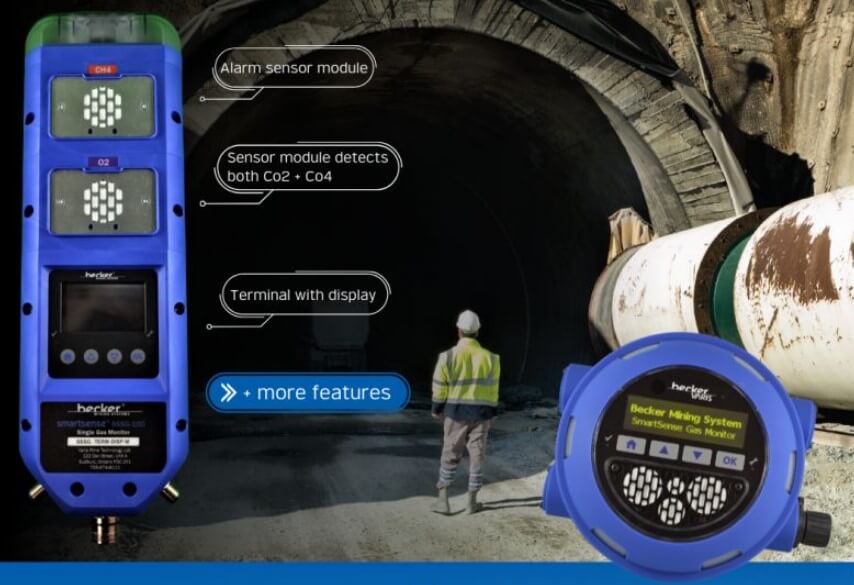
Mining is an industry with inherent hazards, and among the most critical threats are gas leaks. Methane, carbon monoxide, and other combustible or toxic gases can accumulate silently underground or in enclosed mining environments, posing severe risks to both personnel and operations. Mining gas leak detectors are essential tools in this context, helping mining operations stay safe, compliant, and efficient by providing early warnings of hazardous gas presence.
Key Takeaways
- Mining Gas Leak Detectors help prevent accidents and fatalities by providing early alerts of dangerous gases.
- Continuous monitoring reduces operational downtime caused by gas-related incidents.
- Integration with daily workflows ensures immediate response to potential hazards.
- Compliance with MSHA and other safety standards is maintained through proper gas detection.
- Investing in reliable detectors protects both human life and the mine’s financial health.
The Importance of Gas Detection in Mining
In underground mining, gases like methane or carbon monoxide are persistent hazards. Even small concentrations can affect miners’ health, equipment integrity, and operational efficiency. In open-pit mining, gas leaks can compromise air quality and disrupt workflow. Traditional safety measures, such as periodic manual inspections, are no longer sufficient. Mining Gas Leak Detectors provide continuous, real-time monitoring, enabling hazards to be identified before they escalate.
Failing to implement reliable gas detection exposes mining companies to significant operational and financial risks. Worker injuries or fatalities have legal and reputational consequences. Equipment damage from explosions or toxic exposure can halt production for days or even weeks. By integrating advanced gas detection systems, mines reduce these risks, safeguarding both their workforce and operational continuity.
GET IN TOUCH
In a hurry? Call us at +1-724-515-4993
How Mining Gas Leak Detectors Work
Modern mining gas leak detectors use various sensor technologies to detect hazardous gases:
- Electrochemical sensors: Detect specific toxic gases, such as carbon monoxide.
- Catalytic sensors: Measure combustible gases like methane.
- Infrared sensors: Offer accurate detection of hydrocarbon gases and other volatile compounds.
Portable detectors allow miners to carry personal monitors, providing localized readings wherever they go. Fixed detectors are installed throughout mining sites to continuously feed data to a central monitoring system. Combining portable and fixed detectors ensures comprehensive coverage and minimizes blind spots that could lead to dangerous incidents.
Reducing Operational Risk Through Early Detection
The greatest advantage of Mining Gas Leak Detectors is their ability to provide early warnings. Detecting a gas leak promptly allows mining operations to:
- Evacuate personnel safely
- Ventilate affected areas
- Shut down or adjust equipment to prevent accidents
Early detection also prevents minor issues from evolving into costly incidents that require repairs and cause production delays. Continuous monitoring helps mines maintain uninterrupted operations while keeping workers safe.
Enhancing Compliance and Safety Standards
Mining operations in the United States are heavily regulated. Agencies like MSHA mandate the use of gas detection systems in certain environments. Implementing Mining Gas Leak Detectors ensures compliance with legal safety requirements and helps demonstrate a company’s commitment to worker protection.
Compliance is more than avoiding fines; it builds trust with employees, investors, and the surrounding community. Companies prioritizing safety measures are better positioned to retain skilled personnel and maintain a strong industry reputation.
Integrating Gas Detection Into Operational Workflow
For maximum effectiveness, gas detection systems must be fully integrated into daily operations:
- Combine real-time data with emergency response protocols
- Schedule regular maintenance and calibration of sensors
- Train staff to respond to alerts immediately
Many modern detectors include connectivity features, transmitting real-time data to centralized control rooms. Mine managers can use this information to identify recurring leaks, high-risk zones, and patterns that inform operational planning. Seamless integration of gas detection data strengthens overall operational safety and efficiency.
GET IN TOUCH
In a hurry? Call us at +1-724-515-4993
Choosing the Right Gas Detection Solution
Not all detectors are the same. When selecting equipment, consider:
- Sensor type and sensitivity
- Durability and environmental resistance
- Ease of maintenance and calibration
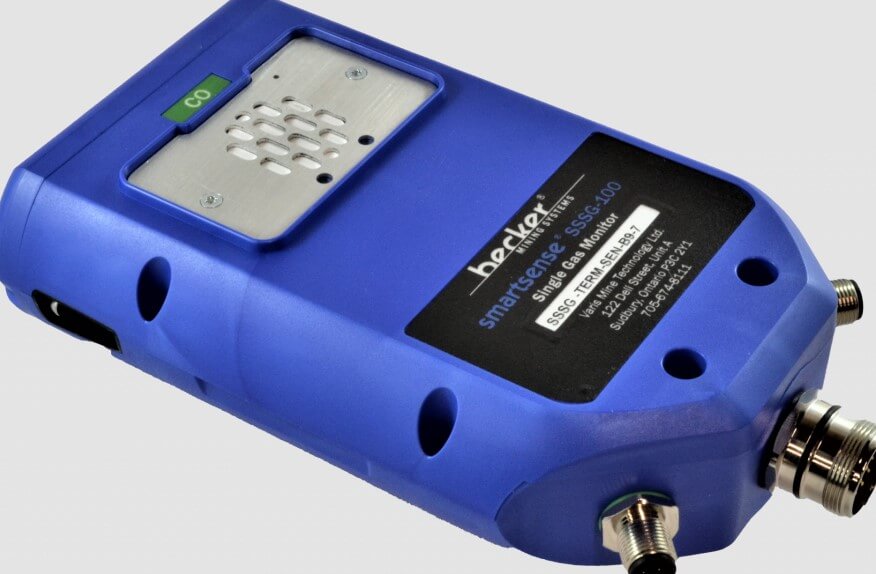
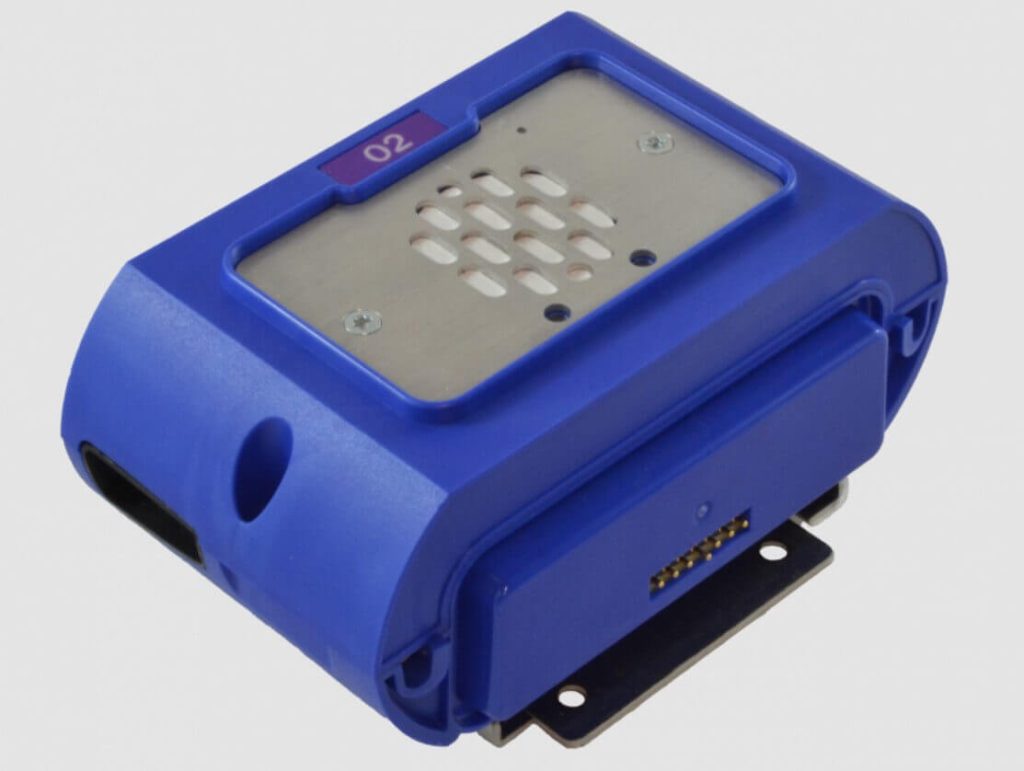
Becker Wholesale Mine Supply provides a wide range of Mining Gas Leak Detectors tailored to the specific needs of mining operations. Our devices are reliable, accurate, and built to withstand harsh mining environments. Choosing high-quality detectors protects human life, minimizes downtime, and supports a robust safety culture.
Conclusion
In mining, there is no margin for error when it comes to gas safety. Mining Gas Leak Detectors are vital tools that reduce operational risk, protect workers, and ensure compliance with industry standards. By offering early detection, integrating seamlessly into workflows, and delivering reliable performance, these detectors allow mining operations to function safely and efficiently.
Becker Wholesale Mine Supply is committed to providing top-quality gas detection solutions across the United States. Investing in the right detectors today ensures the safety of your workforce and the continuity of your operations tomorrow. Proper gas detection is not optional—it is a responsibility that protects lives and operations alike.
Frequently Asked Questions
- What types of gases can mining detectors detect?
Most detectors identify methane, carbon monoxide, hydrogen sulfide, and other toxic or combustible gases commonly found in mining environments.
- Are portable gas detectors necessary if fixed detectors are installed?
Yes. Portable detectors provide localized monitoring, ensuring miners are alerted to hazards even when moving through different areas.
- How often should gas detectors be calibrated?
Regular calibration is essential. Most manufacturers recommend at least once every six months, but high-risk environments may require more frequent checks.
- Can gas detectors integrate with existing mine control systems?
Modern detectors often feature connectivity that allows integration with central monitoring systems for real-time alerts and operational insights.
- How do gas detectors contribute to operational efficiency?
Early detection prevents accidents and downtime, ensuring continuous production while protecting personnel and equipment.
Products That We Offer
- VHF Leaky Feeder System
- UHF Leaky Feeder System
- SMARTSENSE®FIXED MONITOR
- RNG-500VHF Leaky Feeder Cable
- UHF Low Loss Leaky Feeder Cable
- Kenwood NX-203/303 Radios
Take control of your mining communication systems today! With Becker Wholesale Mine Supply, the leading manufacturer in the USA. Contact us now and revolutionize your mining communication systems!