Why a Fixed Gas Detector is the Backbone of Underground Mine Safety

Mining isn’t just about moving rock; it’s about managing the invisible killers lurking in the seams. In the deep dark, what you can’t smell or see—methane, CO, or a sudden drop in oxygen—will end a shift permanently. While a handheld is great for the belt, a fixed gas detector system acts as the site’s central nervous system, pulling real-time data from the face to the fan loft to ensure every man underground breathes easy.
Key Takeaways
- 24/7 Vigilance: Unlike portables, fixed systems provide uninterrupted monitoring of explosive and toxic gas levels.
- Rapid Response: Automated integration with ventilation systems can dilute hazards before they reach critical thresholds.
- Strategic Shielding: Proper placement in shafts, charging stations, and return airways creates a comprehensive safety net.
- Compliance Rigor: Meeting MSHA and federal standards requires documented, reliable detection infrastructure.
- Expert Integration: Partnering with Becker Wholesale Mine Supply ensures your sensors are rated for the grit of American mining.
Why is a Fixed Gas Detector Critical for Hazardous Mining Areas?
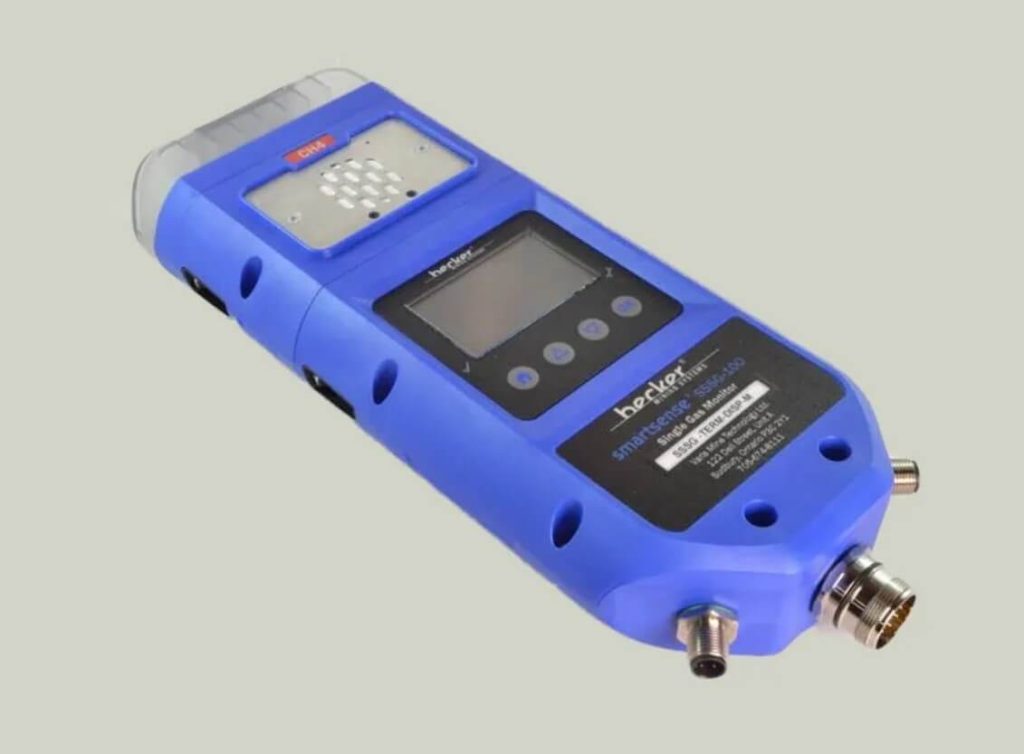
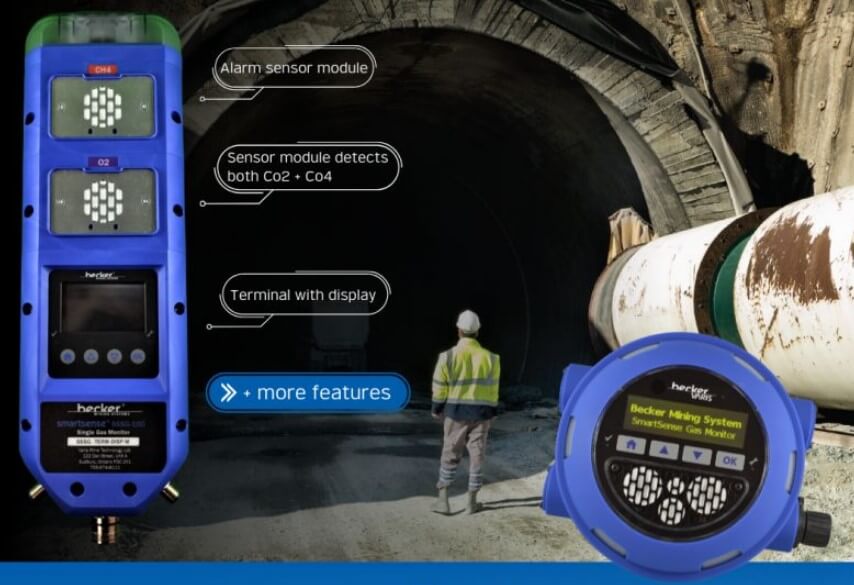
A fixed gas detector is a permanent sentry that monitors combustible and toxic gases in high-risk zones without human intervention. These units are hardwired into the mine’s infrastructure, providing a continuous data stream to the surface. When methane (CH₄) or carbon monoxide (CO) spikes, the system triggers immediate audible and visual alarms, buying the crew the seconds they need to evacuate safely.
The Strategic Framework: 4 Phases of Gas Mitigation
- The Sensor Perimeter: Deploy electrochemical and infrared sensors at the face and high-cavity roof spots.
- Calibrate for specific “heavy” or “light” gases based on the seam’s geological profile.
- Data Aggregation: Route all signals through a ruggedized control panel.
- Use fiber or shielded copper to prevent signal “noise” from heavy machinery interference.
- Automated Intervention: Link detector outputs to VFD-controlled ventilation fans.
- Program “Low/High” setpoints to increase airflow automatically when gas levels creep up.
- The Audit Trail: Log every “bump” and alert for regulatory reporting.
- Use historical data to predict gas “outbursts” during specific drilling or blasting cycles.
GET IN TOUCH
In a hurry? Call us at +1-724-515-4993
How Does Gas Exposure Threaten the Face and Shaft?
Mining turns the earth inside out, and the earth fights back with chemistry. Whether it’s the “firedamp” of a coal seam or the diesel particulate from a haul truck, the air quality in a mine is never static.
Technical Hazards & Risk Mitigation
- Explosive Atmosphere (CH₄): Methane is the industry’s oldest enemy. A fixed gas detector calibrated for Lower Explosive Limit (LEL) is your only defense against a spark turning a tunnel into a cannon.
- Toxic Inhalation (CO & H₂S): Carbon monoxide from blasting or diesel engines is a silent killer. It binds to blood faster than oxygen. You need sensors that pick up parts-per-million (ppm) before the dizziness hits.
- Oxygen Deficiency: In “dead air” pockets or sealed areas, oxygen can drop below 19.5% without warning. Permanent monitoring ensures these zones stay flagged or ventilated.
What are the Differences Between Fixed and Portable Detection?
| Feature | Fixed Gas Detector Systems | Portable Handheld Units |
| Monitoring Duration | 24/7 Continuous Operation | Battery-limited (8-12 hours) |
| Response Action | Can trigger fans/shutdowns | Local alarm only |
| Area Coverage | Wide-area/Static zones | Immediate vicinity of the worker |
| Maintenance | Scheduled calibration on-site | Daily “bump” tests required |
| Primary Goal | Infrastructure & Team Safety | Personal “Life-Line” Protection |
Where Should You Install Detection Equipment for Maximum Coverage?
The “grit” of the job means putting sensors where the air is dirtiest. If you put a sensor in a clean-air intake, you’re just checking the weather; you need to put them where the danger lives.
- Ventilation Return Airways: This is where the “used” air gathers. If there’s a problem anywhere in the section, the return will tell the story.
- Battery Charging Stations: These areas are prime spots for Hydrogen (H₂) buildup, which is highly flammable and often overlooked.
- Belt Drives & Crushing Facilities: High friction and mechanical heat can lead to smoldering fires; CO sensors here act as your early warning system.
- The Tailgate: In longwall setups, the tailgate is a notorious spot for methane accumulation that requires constant oversight.
Expert Perspective: The “Dead Zone” Trap
Pro Tip: Don’t just mount sensors at eye level and call it a day. Methane is lighter than air and hugs the roof; Hydrogen Sulfide is heavier and pools in the sumps. If your fixed gas detector isn’t positioned based on the vapor density of the target gas, you’re effectively flying blind. In the localized, humid conditions of a deep shaft, “near enough” is a death sentence.
GET IN TOUCH
In a hurry? Call us at +1-724-515-4993
Why Choose Becker Wholesale Mine Supply for Your Safety Rig?
You don’t buy safety gear from a catalog; you buy it from people who have been in the mud. Across the United States, we provide the hardware that keeps the lights on and the fans turning.
- Ruggedized Enclosures: Our detectors aren’t lab toys; they’re built to withstand rock dust, moisture, and vibration.
- NIST-Traceable Calibration: We ensure your sensors are accurate to the decimal, meeting every federal safety mandate.
- Rapid Component Access: When a sensor head fails, you can’t wait six weeks. We keep the critical spares in stock for immediate dispatch.
- System Design Support: We don’t just ship boxes; we help you map out your sensor grid to eliminate “blind spots.”
Ready to Secure Your Mine’s Air Quality?
Keeping your crew safe means more than just following the rules—it means outsmarting the environment. A fixed gas detector setup is the most reliable way to turn a high-risk operation into a controlled, productive site. At Becker Wholesale Mine Supply, we specialize in the “boots on the ground” reality of underground safety, providing the equipment and technical grit required to protect your most valuable assets.
Call Becker to consult with our safety specialists and get a quote on a custom detection grid for your operation today.
Frequently Asked Questions
What gases can a fixed gas detector monitor in a mine?
A standard mining configuration typically monitors Methane (CH₄), Carbon Monoxide (CO), Hydrogen Sulfide (H₂S), and Oxygen (O₂) levels. Specialized sensors can also be added for Nitrogen Dioxide (NO₂) in mines with heavy diesel equipment usage.
Is a fixed system better than a portable gas monitor?
They serve different purposes. A fixed system provides 24/7 protection and can automate safety responses like starting fans, whereas a portable monitor provides personal protection for a worker moving between different areas.
How often do mine gas sensors need to be calibrated?
While MSHA standards provide the baseline, most high-duty mines perform a calibration check every 30 to 90 days. Extreme environments with high dust or humidity may require more frequent “zeroing” to ensure accuracy.
Can fixed detectors survive the moisture in deep mines?
Yes, but you must use sensors with IP66 or higher ratings and specialized hydrophobic filters. These prevent water ingress from damaging the sensitive electrochemical or infrared sensor elements.
How do fixed gas detectors communicate with the surface?
Modern systems use various protocols, including Modbus, 4-20mA analog signals, or Ethernet/IP. This allows the data to be viewed in real-time by the dispatcher or safety manager on the surface.
Products That We Offer
- VHF Leaky Feeder System
- UHF Leaky Feeder System
- SMARTSENSE®FIXED MONITOR
- RNG-500VHF Leaky Feeder Cable
- UHF Low Loss Leaky Feeder Cable
- Kenwood NX-203/303 Radios
Take control of your mining communication systems today! With Becker Wholesale Mine Supply, the leading manufacturer in the USA. Contact us now and revolutionize your mining communication systems!