Selecting the Right Mine Communication Systems in the USA
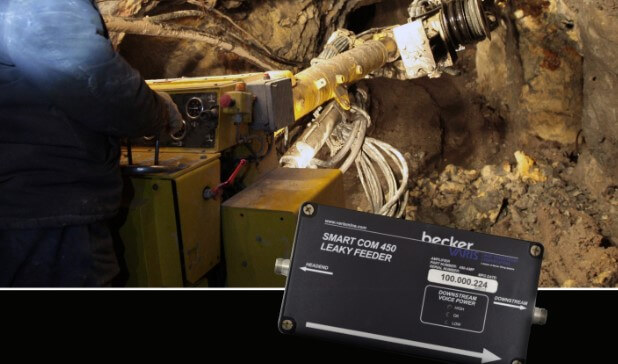
In the high-stakes world of American extraction, a dropped signal isn’t just a nuisance—it’s a production killer and a safety liability. When you’re deep in the hole or managing a sprawling surface op, your mine communication systems are the only thing standing between a smooth shift and a total site shutdown. At Becker Wholesale Mine Supply, we’ve seen what happens when “paper specs” meet real-world rock; it isn’t pretty. You need a system that survives the grit, the moisture, and the relentless vibration of a working face.
Key Takeaways
- Safety Compliance: Reliable tech isn’t just for talk; it’s a regulatory lifeline for emergency response.
- Site-Specific Layout: There is no “one size fits all” when rock density and tunnel depth vary by the foot.
- Scalability: If your comms can’t grow as you chase the vein, you’re throwing money down a dry hole.
- Rugged Integration: Modern systems must talk to your tracking and telemetry tools without lag.
- Reliability Over Price: Cheap hardware fails when the dust kicks up, leading to massive long-term downtime.
Why Is High-Performance Communication Non-Negotiable?
Reliable mine communication systems provide the backbone for underground connectivity and real-time coordination where standard consumer electronics fail. Because mining environments are plagued by heavy rock interference and constant equipment movement, specialized hardware is required to maintain signal stability. This isn’t just about convenience; it’s about ensuring that during a gas spike or a structural shift, your crew has a clear path to the surface.
- Deep Underground Connectivity: Penetrating solid strata requires high-gain, specialized equipment.
- Emergency Readiness: Instantaneous alerts save lives when seconds are the only currency that matters.
- Operational Flow: Coordinating shift changes and maintenance shouldn’t require a mile-long walk.
Expert Perspective: Most guys under-budget for “signal bounce.” In a cramped Nevada gold mine, the way radio waves reflect off high-sulfide ore is totally different than in a Kentucky coal seam. If you don’t account for the geology, your “full coverage” system will have more holes than a block of Swiss cheese.
GET IN TOUCH
In a hurry? Call us at +1-724-515-4993
What Factors Dictate Your System Choice?
Choosing the right mine communication systems requires a brutal assessment of your mine’s physical layout, atmospheric conditions, and future expansion plans. You have to look at the “crush factor”—can your nodes and cabling survive a roof fall or the constant spray of acidic groundwater? If the hardware isn’t MSHA-rated and ruggedized for the specific humidity of a Pennsylvania anthracite op, it’s just expensive scrap metal.
The Strategic Framework
- Site Geometry Audit: Map the “dead zones” where ore density kills RF signals.
- Identify high-interference areas near heavy electrical transformers.
- Account for tunnel curvature that blocks line-of-sight transmission.
- Hardened Hardware Selection: Choose components based on the “Grit Factor.”
- Select IP67 or higher rated enclosures for moisture resistance.
- Prioritize vibration-resistant mounts for equipment installed on active machinery.
- Network Redundancy Planning: Build in the “Fail-Safe” logic.
- Install “Self-Healing” mesh nodes that reroute data if a primary cable is severed.
- Maintain battery backups that exceed the standard 8-hour shift.
How Do Different Technologies Compare in the Field?
Technical Execution & Comparison
| System Type | Best Use Case | The “Grit” Reality | Cost vs. Value |
| Leaky Feeder | Long Underground Tunnels | It’s basically a long antenna; reliable but needs careful hanging. | Mid-range; great for voice. |
| Fiber Optic | Data-Heavy Automation | Blazing fast, but one clumsy loader can snap your backbone. | High upfront; essential for AI. |
| Wireless Mesh | Dynamic, Moving Faces | Flexible and “smart,” but node placement is an art form. | High ROI for active sites. |
| Two-Way Radio | Daily Surface Coordination | The old reliable. Good for “talk,” bad for data. | Low cost; high durability. |
Operational Reliability Clusters
- Fiber Optic Systems: Essential for real-time equipment monitoring and high-speed telemetry.
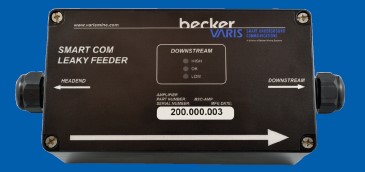
- Leaky Feeder Systems: The industry standard for a continuous voice signal along primary haulage ways.
- Two-Way Radios: Portable, “drop-tested” units for individual miners and vehicle operators.
GET IN TOUCH
In a hurry? Call us at +1-724-515-4993
Which Technical Entities Impact Your Site’s Uptime?
- MSHA Part 23 Compliance: The federal standard for telephonic and signaling systems in mines.
- Leaky Feeder Coaxial Cable: A specialized cable that “leaks” radio signal to allow for mobile communication.
- Through-the-Earth (TTE): Ultra-low frequency tech used for emergency comms when tunnels are blocked.
- Intrinsically Safe (IS) Rating: Equipment designed to operate in explosive atmospheres without sparking.
How Does Becker Wholesale Mine Supply Build Your Network?
We don’t just ship boxes of radios; we build the nervous system for your operation. Our team gets into the muck with you to perform detailed site assessments, ensuring your mine communication systems are tailored to the specific geometry of your headings. We focus on custom configurations—because a “good deal” on a system that doesn’t work at the face is just a waste of your capital.
Ready to Bulletproof Your Site Comms?
In the mining business, you’re only as fast as your slowest information link. Whether you’re upgrading an aging, leaky feeder or installing a high-bandwidth fiber backbone for autonomous haulage, you need a partner who knows the difference between a lab test and a lunchroom in a 2,000-foot deep shaft. We provide the hardware and the “boots on the ground” expertise to keep your crew talking and your tonnage moving.
Don’t wait for a signal failure to find your weak spots. Call Becker Wholesale Mine Supply to schedule your ruggedized site audit and get a quote on the toughest mine communication systems in the USA.
Frequently Asked Questions
How do I fix dead zones in an underground mine?
Dead zones are usually fixed by installing high-gain signal boosters or extending the leaky feeder cable. A professional RF site survey can pinpoint exactly where the signal is being absorbed by the rock so you can place nodes effectively.
Can wireless mesh networks work in coal mines?
Yes, but they must be “Intrinsically Safe” (IS) rated to prevent ignition in gassy environments. Modern mesh nodes are highly effective for tracking assets and personnel in real-time as the face advances.
What is the lifespan of a leaky feeder system?
With proper maintenance and shielding from physical damage, a high-quality cable system can last 10+ years. However, the active components, like amplifiers, should be inspected annually for corrosion or electrical wear.
Why is fiber optic becoming popular in mining?
As mines move toward automation and remote-controlled machinery, the “data pipe” needs to be huge. Fiber offers the bandwidth required for high-def video feeds and real-time sensor data that copper simply can’t handle.
How does the weather affect surface mine communications?
Extreme temperature swings and lightning can wreak havoc on tower-based systems. We use ruggedized, lightning-arrested hardware and weather-sealed enclosures to ensure your surface ops don’t go dark during a storm.
Products That We Offer
- VHF Leaky Feeder System
- UHF Leaky Feeder System
- SMARTSENSE®FIXED MONITOR
- RNG-500VHF Leaky Feeder Cable
- UHF Low Loss Leaky Feeder Cable
- Kenwood NX-203/303 Radios
Take control of your mining communication systems today! With Becker Wholesale Mine Supply, the leading manufacturer in the USA. Contact us now and revolutionize your mining communication systems!